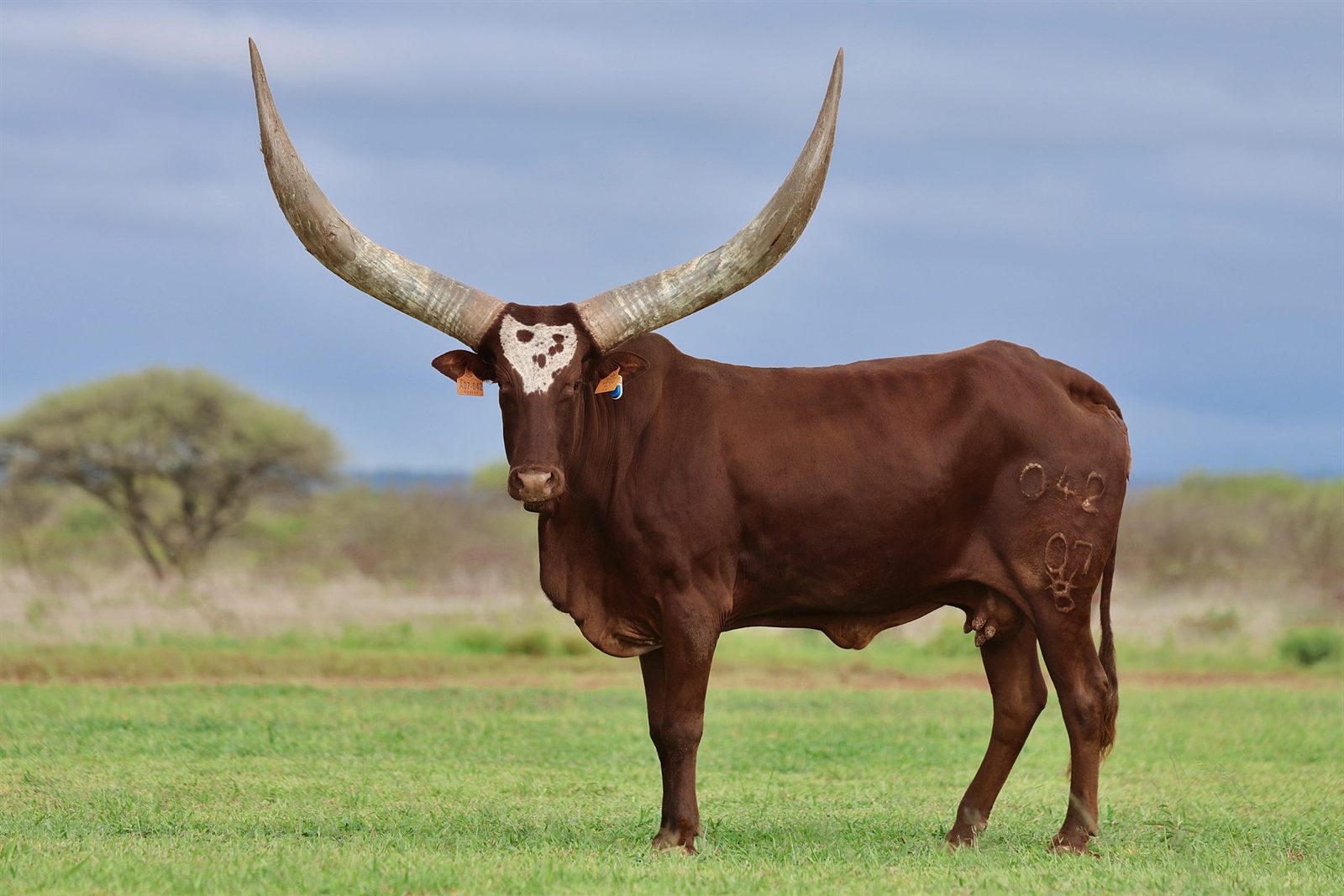
Building the next generation of South African Ankole
Genetics are not an accident.
We don't simply breed cattle.
We build genetics.
Behind every Fire Sky animal is a deliberate genetic decision.
We trace our cattle back to their foundational animals, understand the strengths and weaknesses of individual bloodlines and select combinations with a long-term objective in mind.
At Fire Sky we are transparent about our genetics and keep meticulous breeding records so you can buy with confidence.
Five things, in this order.
Know where the genetics came from.
Choose animals deliberately.
Create purposeful genetic combinations.
Measure the result through fertility, structure and progeny.
Protect valuable genetics for future generations.
Thirty-eight cows.
Twenty-five lines.
The Fire Sky herd is built on a relatively small number of foundational genetics.
Thirty-eight foundation cows were registered in South Africa as KA 960001 to KA 960038. But having an animal in the foundation is not the same as having its genetics populate the herd. On the foundational register we maintain, thirteen of those numbers carry no recorded descendants at all — and among the twenty-five that do, the contribution is nowhere near equal.
Two cows, A17 and A26, account for more recorded descendants than the bottom eighteen combined.
Great herds are built around great females.
The sires.
Every breeding programme is shaped by the bulls it chooses to retain.
At Fire Sky, our sires are selected not simply for what they look like, but for what their genetics can contribute to the generations that follow.
The future is already here.
Fire Sky is not a static collection of successful bloodlines.
The herd is constantly evolving as we test new combinations, introduce new genetics and retain the animals that we believe can shape the future of the programme. We have now also been able to source new genetics — from Uganda via Kenya — to continue improving on our scientifically backed selection.
Quality has a track record.
Every figure below is published in Fire Sky's own records.
The embryo transfer numbers cover three years of OPU and transfer work, May 2023 to June 2026.
Why Fire Sky exists.
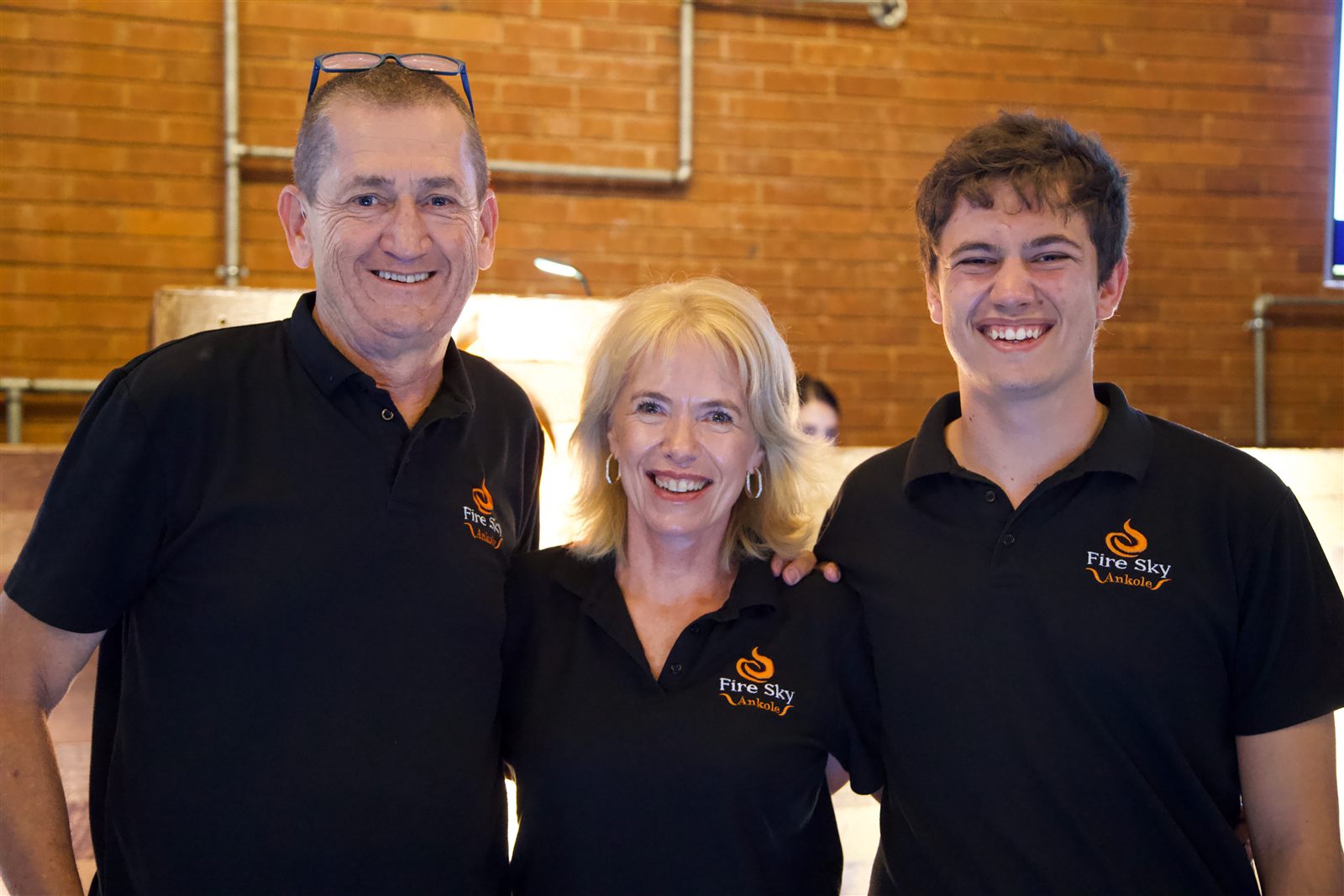
With our family's long and extensive experience in game, dairy and cattle farming we decided to start buying, raising and selling cattle again as a significant business during the Covid lockdown.
At about the same time, the then 15-year-old Zack got his first taste of the Ankole Cattle. He was drawn to the unique characteristics and beautiful features of the Ankole and convinced his uncle, André and his dad Bernard to buy a few.
What followed was a set of questions the family has been answering ever since. Where did South Africa's Ankole genetics actually come from? Which of the original animals really populated the herd? Which bloodlines were disappearing — and what could be done with the genetics that remained?
Three ways into the programme.
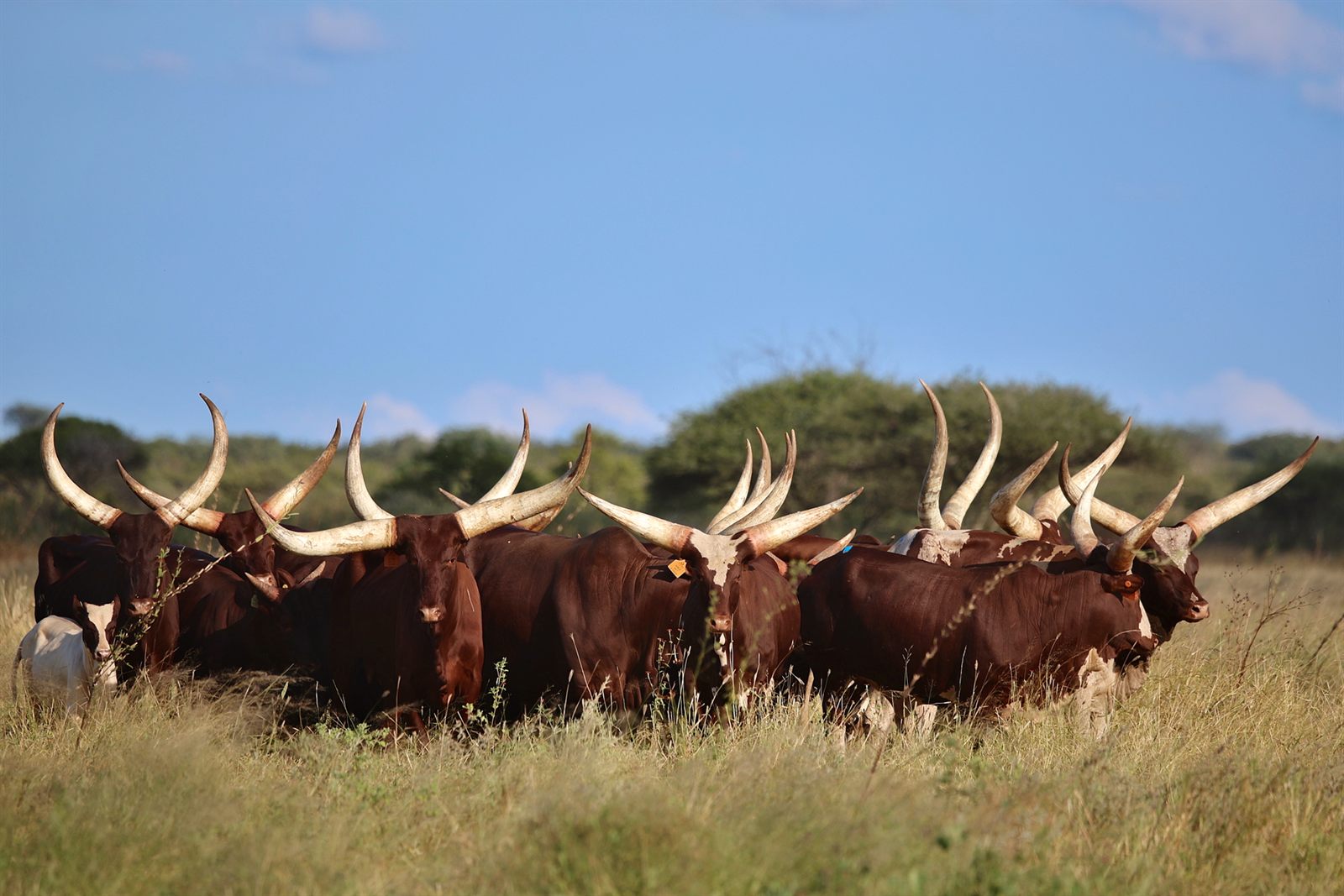
Build the next generation with Fire Sky.
Whether you are establishing an Ankole herd, introducing new genetics or looking for the next foundation animal, we would be pleased to understand what you are trying to build.