- Home
- Our Story
Why Fire Sky exists.
A family's fascination with Ankole became an obsession with genetics.
It started with the cattle.
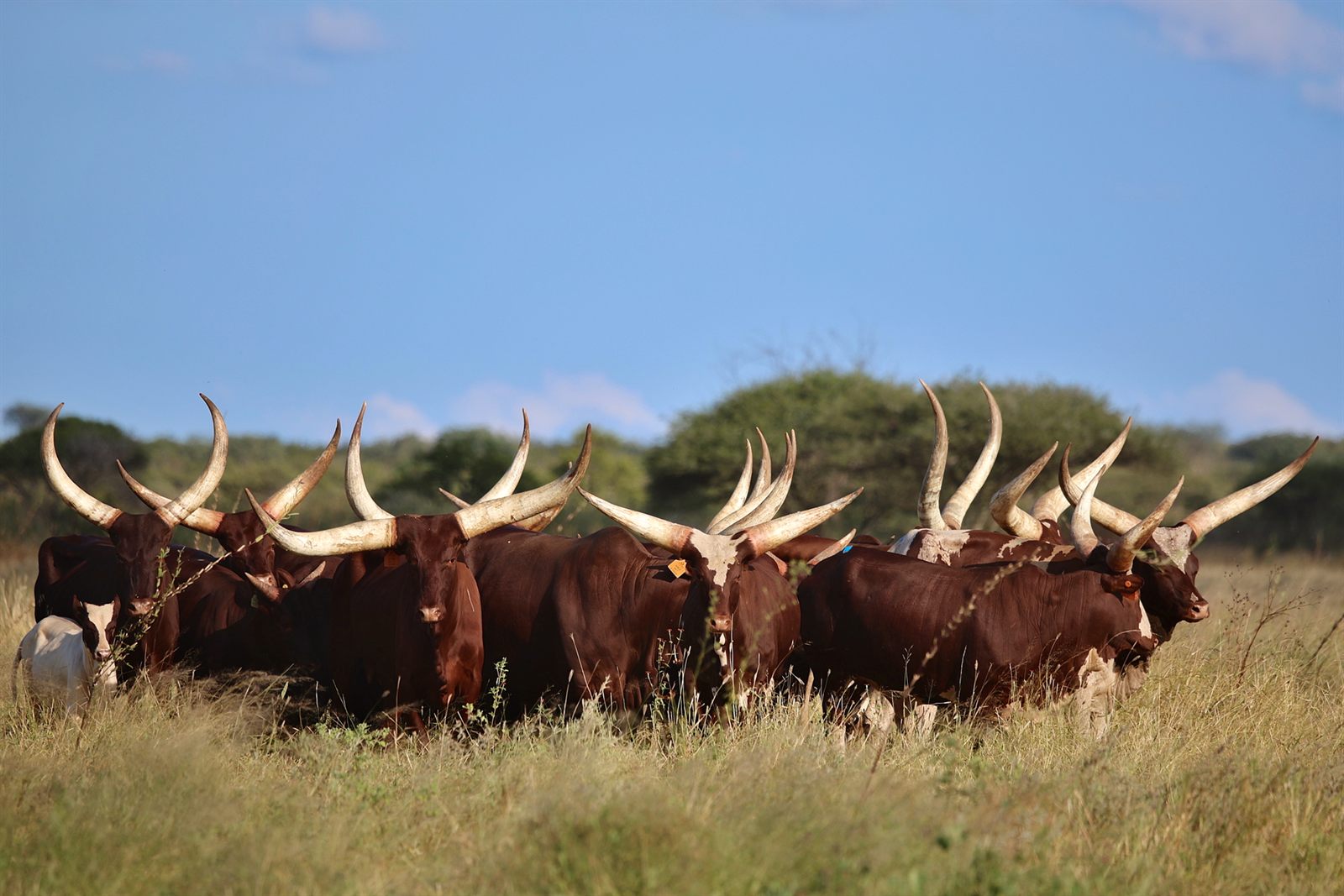
With our family's long and extensive experience in game, dairy and cattle farming we decided to start buying, raising and selling cattle again as a significant business during the Covid lockdown.
At about the same time, the then 15-year-old Zack got his first taste of the Ankole Cattle. He was drawn to the unique characteristics and beautiful features of the Ankole and convinced his dad Bernard to buy a few.
As we soon found out, there were only about 25 registered full blood Ankole farmers in the country at the time, owning about 600 Ankole of which only about half were female.
Two things became obvious to us. Firstly, building our Fire Sky Ankole herd, and ultimately our dream Swanepoel Ankole Stud herd, was not only going to be very expensive and take time, but access to top quality genetics from such a small gene pool was clearly a challenge. Flowing from this was the second insight, that for our dream to be realised, this space needed to be expanded.
A hobby, or a business.
After accumulating a few female animals from auctions and through direct sales, the choice we faced was clear — either we should own and breed Ankole cattle as a hobby or we should own and build an Ankole business. But building a substantial Ankole business appeared daunting and near impossible because of the remarkable scarcity of these animals in SA as well as their limited genetic variety.
By early 2022 we made a bold call — to leverage our existing expertise and facilities and commit to commercial Ankole farming. We modernised and expanded our feedlot and intensive farming facilities to create a one-of-a-kind production facility. This enabled us to produce significant quantities of female Ankole animals of top-quality genetics, whilst simultaneously improving the national herd quality, responsibly and quickly.
We are also expanding the base of ownership by providing new farmers with access to quality animals.
38 cows.
A much bigger story.
We began tracing the original genetics.
Thirty-eight foundation cows were registered as KA 960001 to KA 960038. But having an animal in the foundation is not the same as having its genetics successfully populate the herd.
When we followed the records carefully, a pattern emerged that changed the way we thought about breeding. On the foundational register we maintain, thirteen of those thirty-eight numbers carry no recorded descendants at all. And even among the twenty-five that do, the genetic contribution is far from equal — a much smaller group of animals has had a disproportionate influence on the South African Ankole population.
Fire Sky's foundational register is published in full and is updated as new information is received.
Follow the genes.
Once you start following the genetics, Ankole breeding becomes a fascinating puzzle.
Every animal is both an individual and part of a much larger story. A successful mating does not simply produce a calf. It changes the genetic possibilities available to the herd.
Right now, we all still have access to first generation genetics from the original material imported by Mr Ramaphosa. Although they were born on SA soil, they are true Ugandan bloodlines. At Fire Sky we have a strong preference for such bloodlines and have now accumulated a total of 6 such cows. As they are, in most cases by now, mature cows, one can see exactly how the genetics translate into physical features and performance.
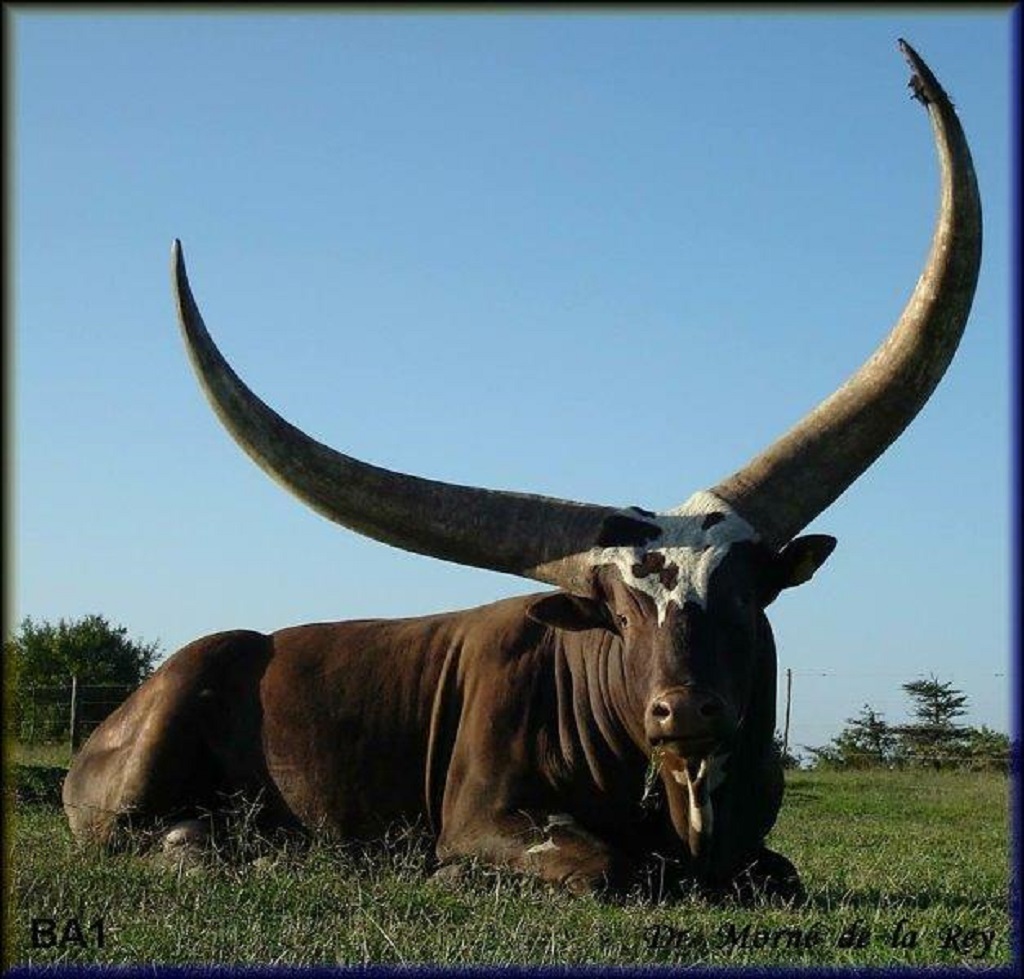
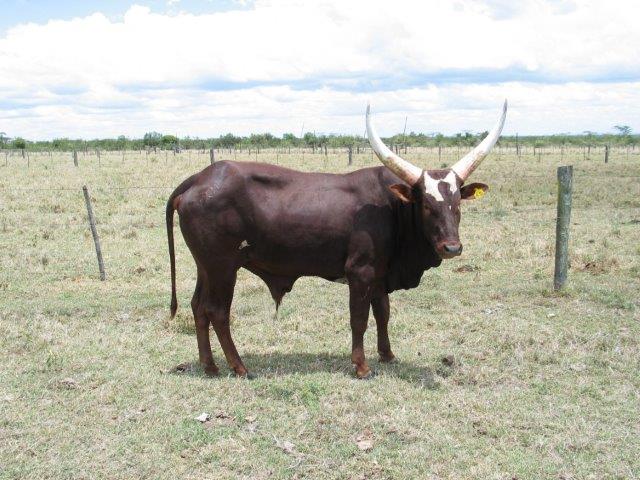
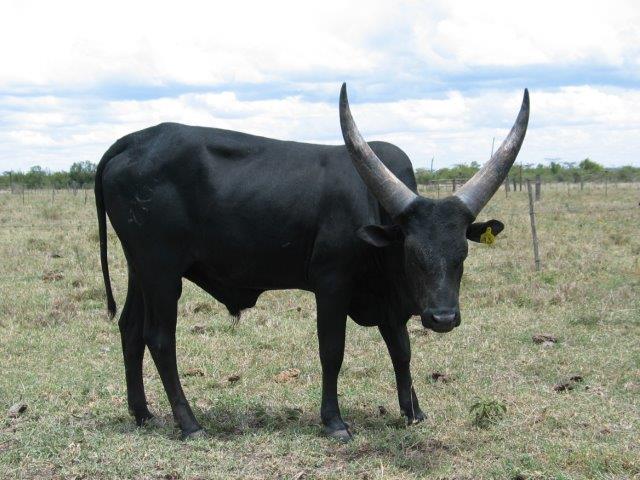
No photograph of BA7 is held in the Fire Sky archive.
The four foundational bulls. These 2004 photographs are the oldest images in the Fire Sky archive.
We don't want more cattle.
We want better genetic options.
Our objective is not simply to increase the number of animals in the herd. It is to increase the quality and diversity of the genetic choices available to us.
Sometimes that means retaining an animal that may not be the most spectacular animal in the paddock. Sometimes it means taking a risk on a new combination. Sometimes it means preserving genetics because we may need them much later.
That is what makes breeding interesting.
A multi-generational family business.
Fire Sky is not one person's herd. It is a family that has farmed game, dairy and cattle for generations, and came back to cattle together.
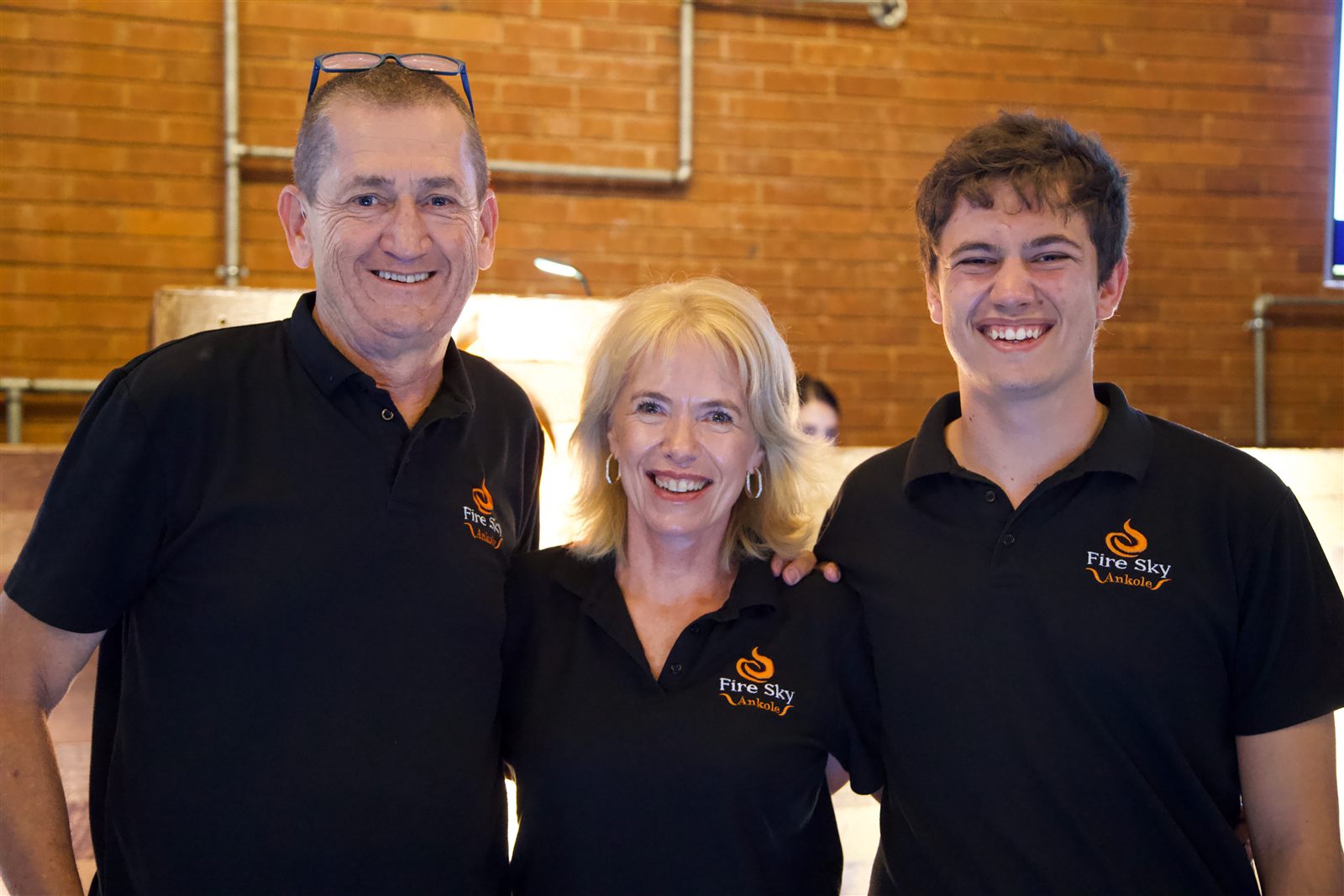
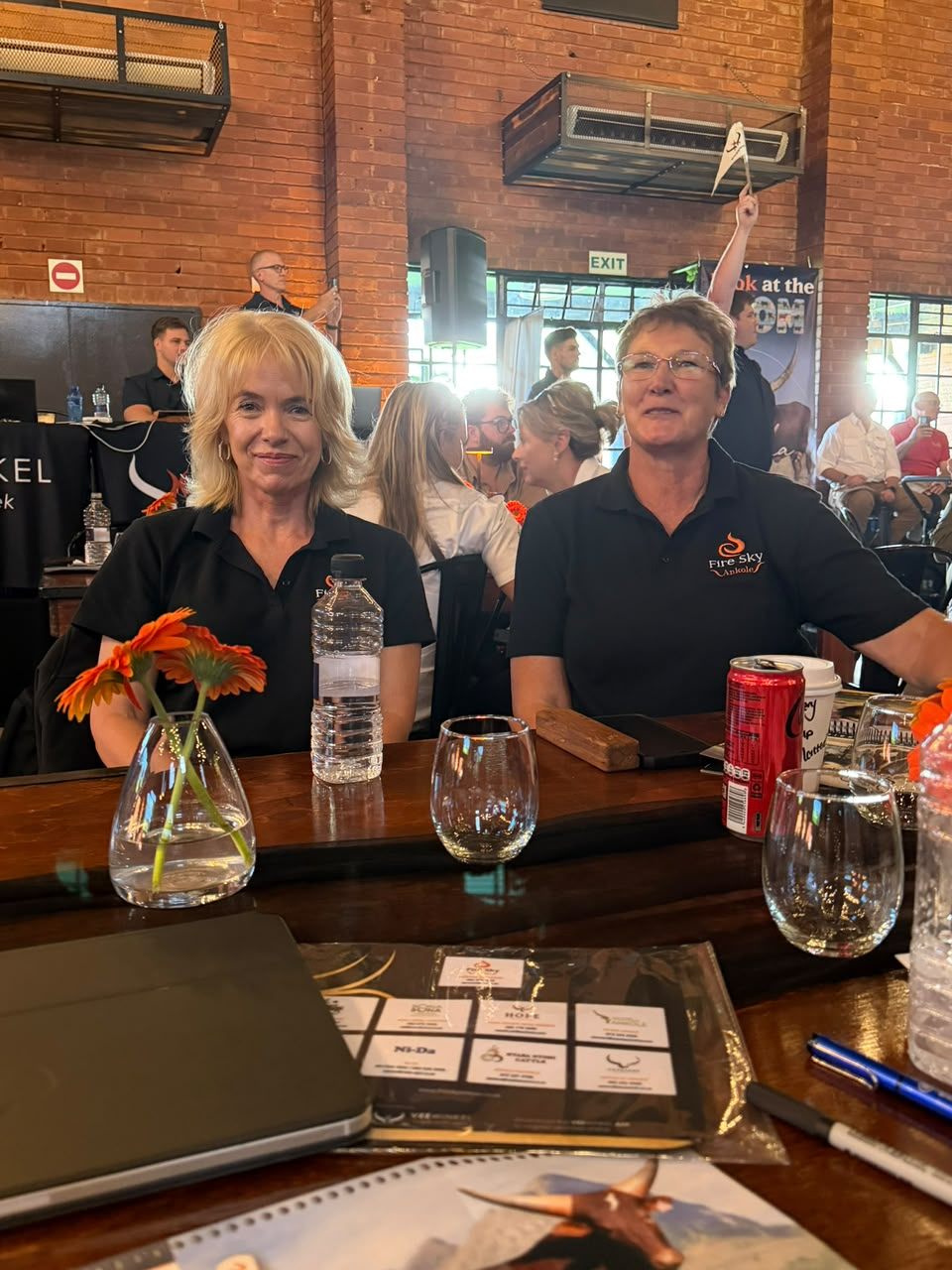
Bernard Swanepoel
Tracey Swanepoel
Zack Swanepoel
Annemie Swanepoel
On the farm
The next generation
Breeding for the next generation.
We are not trying to finish the Fire Sky herd. There is no finished herd.
Every generation changes the possibilities of the next. The objective is to leave the next generation with more choices, better genetics and a deeper understanding of where those genetics came from.
Imagine if…
We could enhance the limited Ankole gene pool in South Africa by selecting only the best 5% of bulls for breeding, and supporting initiatives to introduce new genetics through formal channels into the national herd.
By expanding the number of available female animals of top-quality genetic provenance, we could be the catalyst for Ankole cattle to be owned and farmed for both their beauty and their commercial value, by a diverse and inclusive group of passionate South Africans.